


Walking the Tightrope Between AI and Human
By Alex Rivera – Innovation Correspondent
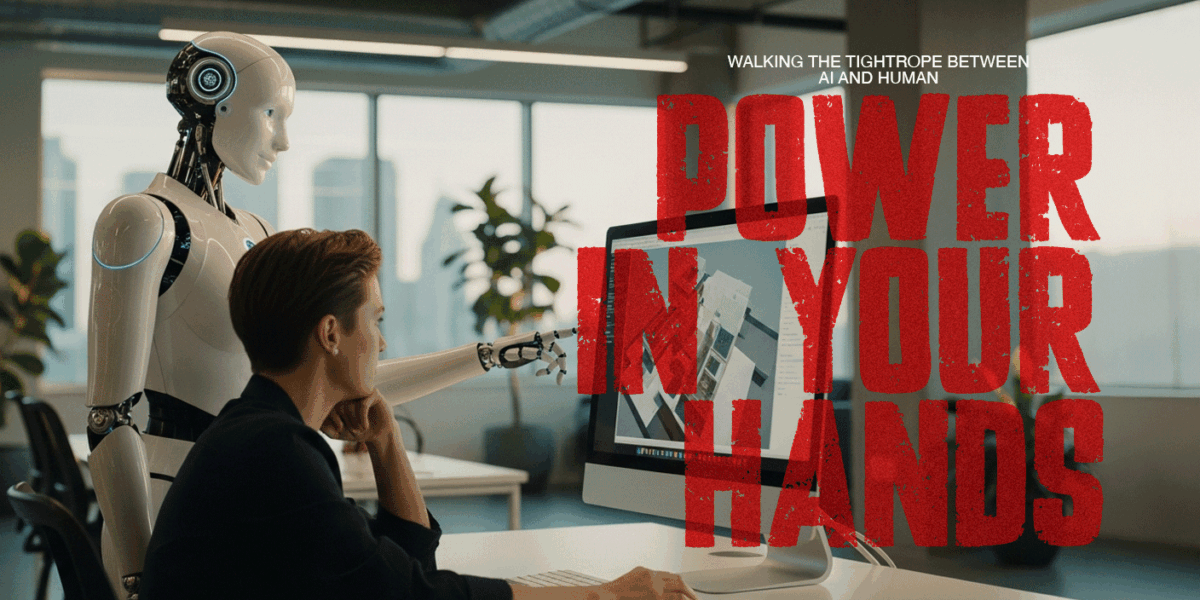
2026 isn’t just another year—it’s the moment when the AI‑human balancing act becomes a core skill. Generative AI tools are evolving at breakneck speed, yet the hunger for authentic human connection has never been stronger. The brands that will win are those that can walk this tightrope with confidence: leveraging technology for speed and scale, while keeping humanity at the heart of every campaign.
After speaking with industry leaders, analyzing campaign data, and testing the latest tools, I’ve distilled five pivotal insights that will define creative marketing in 2026. These aren’t just trends; they’re a practical playbook for navigating the new normal.
AI as a Tool, Not a Takeover
Generative AI is now a staple in creative workflows, accelerating mockups, copy drafts, and visual references at a pace that would have been unthinkable just a few years ago. “It’s changing daily,” observes Shawn King, Vice President and Executive Creative Director at National. Yet the risk is clear: AI, trained on the same vast internet data, can churn out generic outputs that lack originality and emotional resonance.
The consensus among forward‑looking creatives is to use AI cautiously. It’s a powerful assistant, not a replacement. “Mocking things up or providing a starting point for copy is a great use of AI,” King says, “but the magic happens when human creativity steps in to refine and elevate.” In 2026, the most effective teams will treat AI as a collaborator—generating raw material that humans then shape into something uniquely compelling.
The Irreplaceable Human Element
Emotional resonance, cultural nuance, and strategic judgment remain human‑only strengths. No algorithm can yet replicate the gut feeling that tells you a concept will resonate, or the empathy needed to navigate a sensitive cultural moment.
Case studies from the past year show a clear pattern: campaigns that started with AI‑generated concepts but were then deeply refined by human creatives consistently outperformed those that relied on AI alone. The lesson for 2026 is to structure creative workflows that keep humans in the driver’s seat. Use AI to handle repetitive tasks, generate options, and speed up iteration—but reserve final creative decisions for the people who understand your audience’s heart.
Data vs. Intuition: Finding the Sweet Spot
The age‑old tension between data‑driven decisions and creative intuition is reaching a new equilibrium. Real‑time performance dashboards and AI‑powered analytics provide unprecedented visibility into what’s working, but they can’t replace the instinct that spots a breakthrough idea before the numbers confirm it.
In 2026, the most successful teams will use tools that blend real‑time data with creative instinct. Platforms that offer live engagement metrics, A/B testing at scale, and predictive trend analysis will give creatives the evidence they need—without forcing them into analysis paralysis. The key is to stay grounded in the data while leaving room for the intuitive leaps that define great advertising.
Nostalgia and Humor as Antidotes to Ad Fatigue
Audiences are experiencing hyper‑polished, AI‑generated content overload. In response, they’re craving levity, familiarity, and a touch of imperfection. Nostalgic references and genuine humor are becoming powerful ways to cut through the noise and build emotional connection.
Brands that successfully tap into retro aesthetics, inside jokes, or playful wit are seeing engagement metrics soar. The trick for 2026 is to balance nostalgia with forward‑looking messaging. A retro visual style can grab attention, but the underlying story should feel fresh and relevant. Humor should be authentic and on‑brand—not forced or generic.
Lo‑Fi Authenticity Wins Over Polished Production
Smartphone‑shot, “imperfect” content often outperforms high‑budget studio productions. Audiences increasingly trust real people in real environments more than they trust studio‑crafted perfection. This shift is driven by a desire for authenticity and relatability in an age of algorithmic curation.
In 2026, integrating lo‑fi elements into your creative toolkit will be a competitive advantage. Think behind‑the‑scenes footage, raw testimonials, or unscripted social‑media takeovers. The goal isn’t to abandon quality, but to embrace authenticity—showing your brand’s human side without over‑producing it.
Conclusion: Walking the Tightrope with Confidence

These five insights are interconnected. Succeeding in 2026 means synthesizing them into a cohesive creative philosophy: use AI as a collaborator, preserve human judgment, blend data with intuition, inject nostalgia and humor where it fits, and embrace lo‑fi authenticity.
Start by assessing which insights align most closely with your brand’s current maturity and audience expectations. Prioritize one or two for immediate action, then build from there. Above all, stay curious, adaptable, and relentlessly human‑centric. The technology will keep changing, but the need for genuine connection never will.