



The Psychology of Color in Branding Gen Z Update
Maya Chen, PhD – Senior Insights Editor
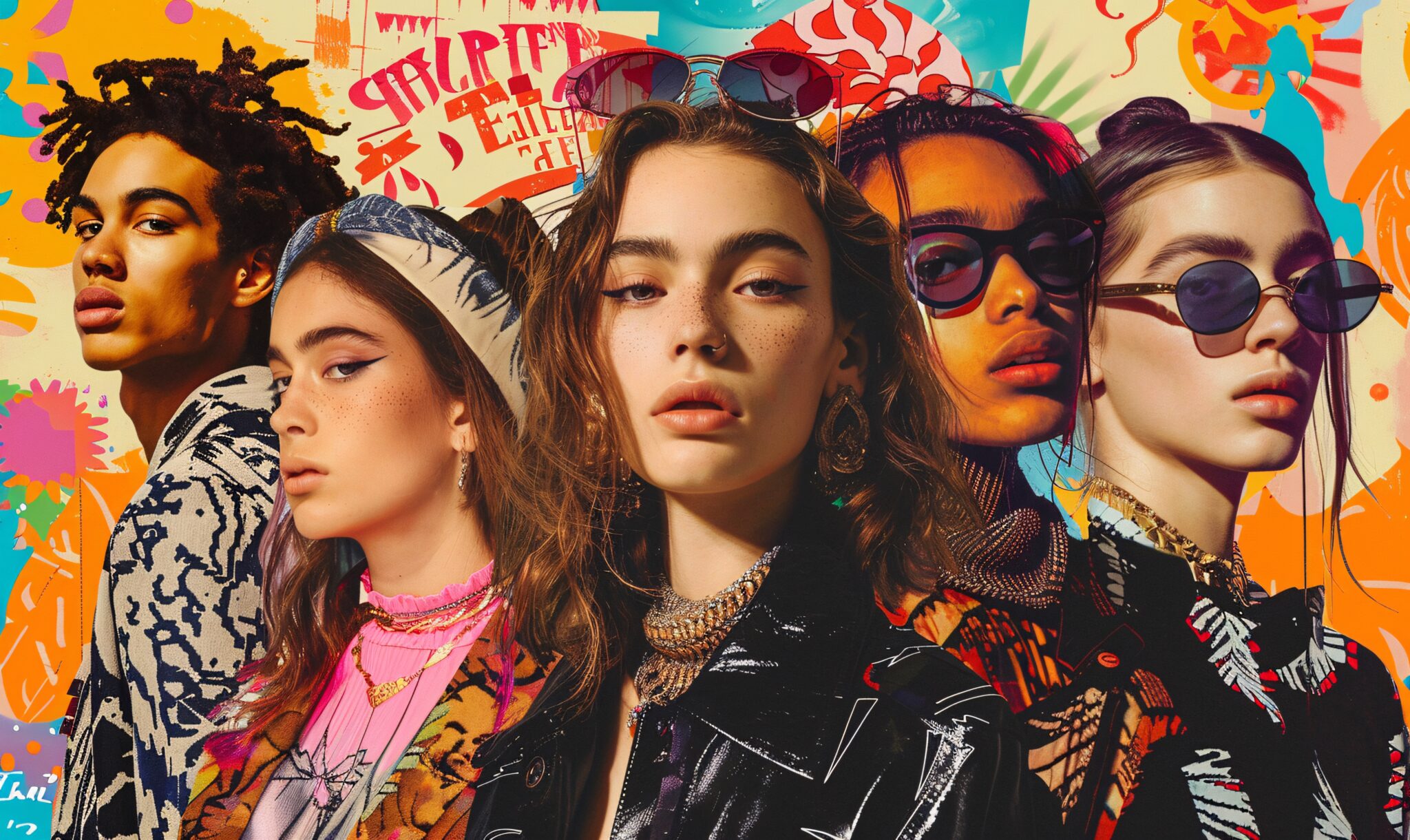
For Gen Z, color is more than a visual cue—it’s a shorthand for identity, trust, and emotional alignment. In a landscape where 51% of Gen Z and millennials have chosen one brand over another based on color alone, the strategic use of hue becomes a direct lever for loyalty and conversion. This report unpacks the latest 2025 data on how Gen Z perceives color, which palettes earn their trust, and what this means for brands navigating the next wave of digital expression.
Key Findings at a Glance
Top Colors for Gen Z Brand Trust (2025 Survey)
- 51% of Gen Z and millennials have chosen a brand based on color alone (Adobe 2025).
- Blue ranks highest for trust, with 54% of consumers citing it as the color that makes a brand feel most reliable.
- 36% of consumers predict that earthy, muted palettes will dominate brand identities in 2025‑2026.
- Gen‑Z color preferences are shifting away from pure vibrancy toward nuanced, emotionally layered hues that signal authenticity and digital‑native sophistication

The New Color Vocabulary: What Gen Z Sees
Beyond the universal appeal of blue, Gen Z is redefining color associations in three distinct directions:
| Color | Psychological Association | Gen‑Z Context | Example Brands |
|---|---|---|---|
| Blue | Trust, reliability, calm | The default “safe” choice for fintech, health, and platforms where security is paramount. | Chime, Calm, LinkedIn |
| Cinnamon | Warmth, modernity, authenticity | Emerging as a trend‑forward earthy tone that feels both nostalgic and fresh. | Glossier, Aritzia, skincare‑first DTC brands |
| Plum | Luxury, depth, emotion | Used sparingly for premium positioning; signals depth and introspection. | Byredo, The Ordinary, high‑end beauty |
| Green | Growth, sustainability, calm | No longer just “eco”‑coded; now represents digital wellness and mental‑space brands. | Headspace, Notion, Duolingo |
| Purple | Creativity, rebellion, digital culture | Adopted by gaming, creator platforms, and communities that prize individuality. | Discord, Spotify Wrapped, Twitch |
Why This Shift Matters for Brands
Gen Z’s color vocabulary is evolving in response to three macro‑trends:
- Digital‑native authenticity – They distrust overly polished, saturated palettes. Muted, earthy tones (Cinnamon, Brown, Plum) feel more human and less “corporate.”
- Emotional granularity – Colors are expected to carry layered emotional meanings (e.g., Purple = creativity + rebellion + digital‑community belonging).
- Context‑aware flexibility – A single brand might deploy different color “modes” across platforms (vibrant gradients for TikTok, muted solids for LinkedIn) without losing coherence.
Actionable Takeaways for Your Next Campaign
- Audit your palette against trust signals – If your category demands reliability, lean into blue‑based accents. If you’re aiming for warmth and modernity, test earthy tones like Cinnamon or Olive.
- Use color to segment your audience – Younger Gen Z cohorts respond to vibrant, gradient‑heavy palettes for social‑media content, while older Gen Z prefers muted solids for considered purchases.
- Test with real Gen‑Z users – Don’t rely on generic color‑psychology charts. Run quick A/B tests on social ads or landing pages with different dominant hues to see which drives higher engagement and trust.
- Embrace color‑fluidity – Consider letting your palette shift slightly across platforms (more saturation for Instagram, more muted for email) while keeping one “anchor” color consistent.
Looking Ahead: The 2026 Color Forecast
Early signals point to a continued rise of “digital‑earthy” hybrids – colors that feel both organic and screen‑native (think mossy greens with a subtle gradient, or terracotta with a neon undertone). Brands that master this hybrid language will stand out in a sea of sameness.
Final note: Color is no longer a static brand asset. It’s a dynamic, context‑aware tool for building trust, signaling authenticity, and connecting with Gen Z on an emotional level. Update your palette with intention, test relentlessly, and be ready to evolve as their visual language shifts.